
Article codes
6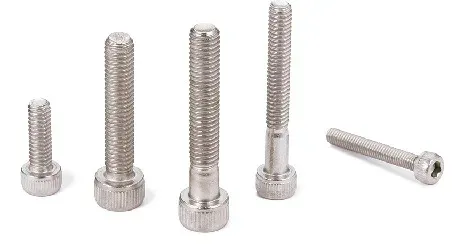
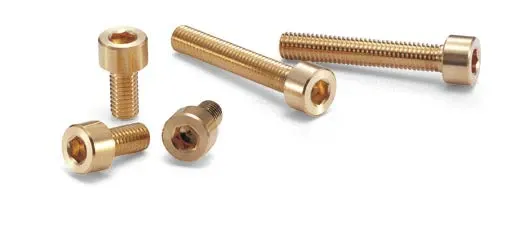
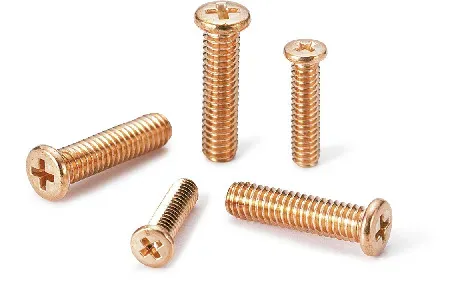
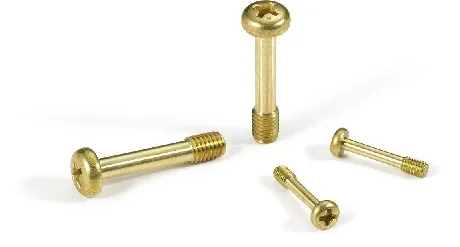
Non-magnetic
Non-Magnetic Screws
Low-permeability fasteners in titanium, SUS316L HiMo, tantalum, phosphor bronze and brass for MRI, cryogenic, semiconductor and precision magnetic instruments.
- Cleanroom
- Chemical-proof
- Heat-resistant
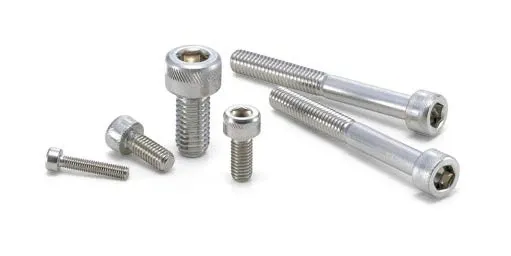
- Stainless steel 316L
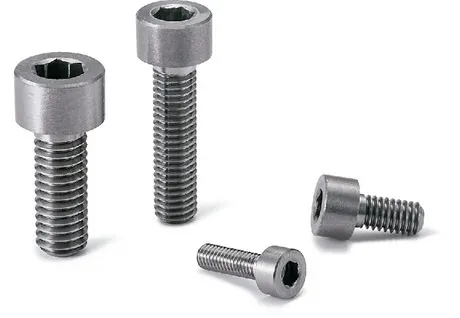
- Titanium
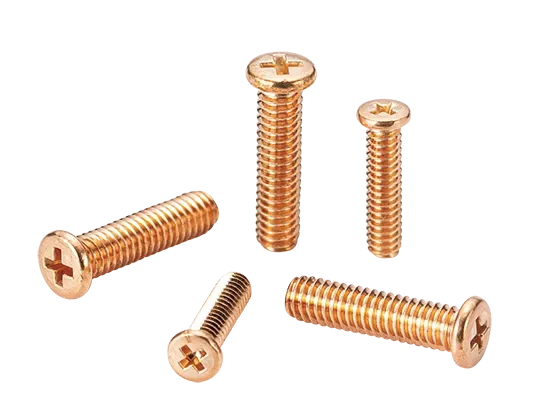
- Phosphor bronze
- RoHS2 compliant
Which materials make a screw non-magnetic?
Truly non-magnetic screws use materials with very low magnetic permeability: titanium (µr ≈ 1.001), austenitic SUS316L HiMo stainless (µr ≈ 1.007), tantalum, phosphor bronze and brass. For critical work, specify a maximum allowable permeability (µr) rather than just "non-magnetic". NBK non-magnetic screws prevent interference in MRI, cryogenic, semiconductor and precision magnetic instruments.
Why non-magnetic matters
Non-magnetic screws are essential where magnetic interference must be minimised or controlled. Even minor magnetic influences can compromise measurement precision, disrupt electromagnetic fields or interfere with positioning systems. They are commonly used in cryogenic equipment and medical devices like MRI scanners, and near sensors and e-beams in semiconductor manufacturing.
Material options
Non-magnetic screws are available in titanium (various grades), austenitic stainless steels such as SUS316L HiMo, brass and phosphor bronze. For critical applications, specifying a maximum allowable magnetic permeability (µr value) is more reliable than simply stating "non-magnetic". All screws are RoHS2 compliant.
Ready to specify this screw?
Send us your thread size, material, environment and quantity. Our engineers in Dedemsvaart match the right article code and quote it.